01Existing mould
Can the mould operate in a new production environment?
The first pathway starts with the tooling, the existing part and the objective of the potential transfer.
Open the existing-mould pathway Do you already have a mould or a new idea?Choose where to start →
From context to the next step
The website does not replace a technical assessment. It prepares for it through a clear sequence, proportionate information and human review before any decision.
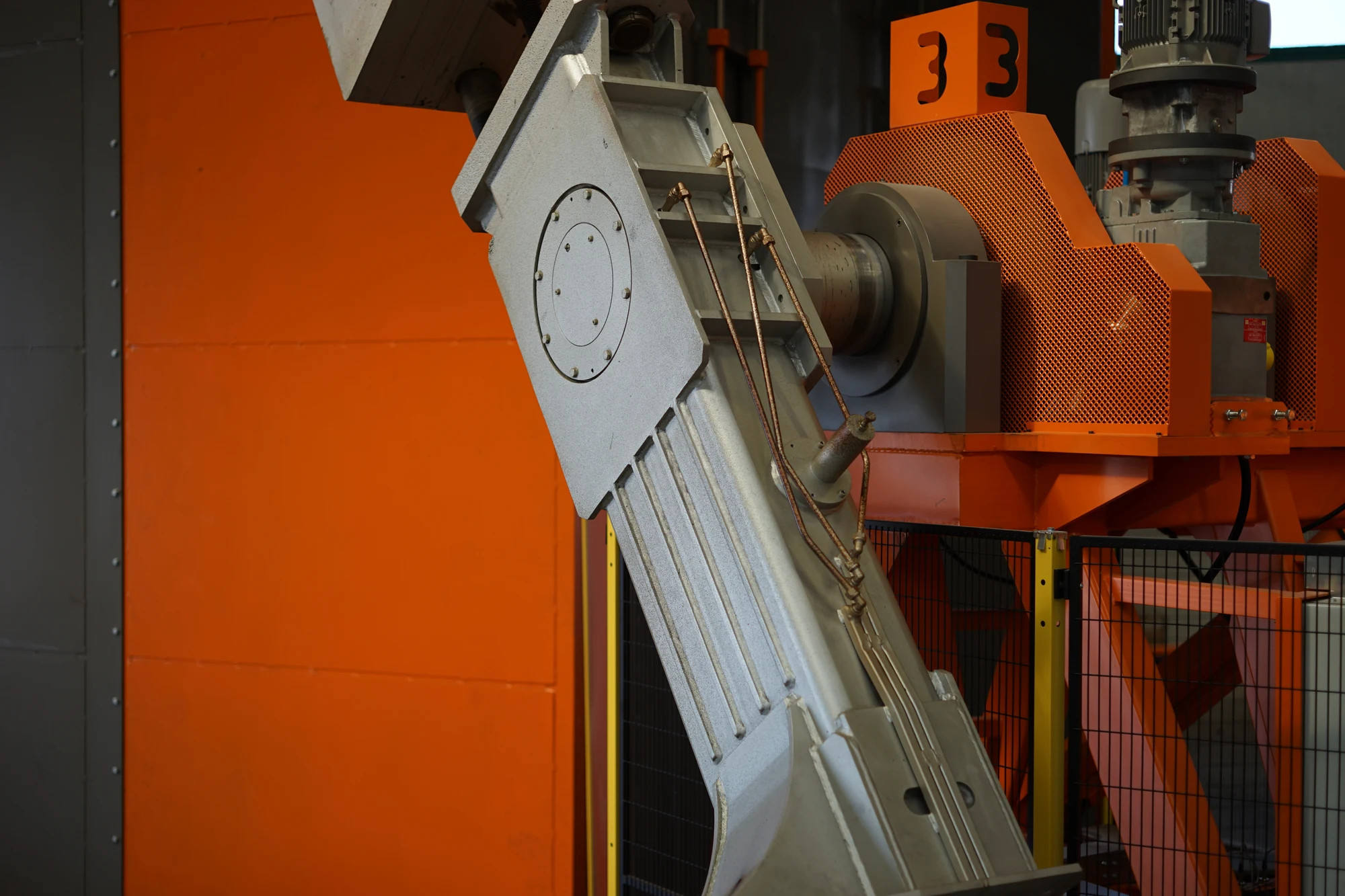
Authentic image · Vetroresina Padana
The sequence
The depth and order of the activities may vary by project. This sequence describes the rationale of the initial discussion.
We clarify the function, problem or production objective that prompted the discussion.
We immediately distinguish between an available mould and a product that is still to be developed.
We gather the essential information needed to identify which aspects warrant further investigation.
When the context is aligned, the relevant people and technical expertise examine the project in detail.
Tooling, preparation and subsequent steps are defined only for the specific case.
Any start-up phase is agreed with shared criteria and responsibilities.
From assessment to production
The images illustrate possible stages of the pathway. They do not represent an automatic commitment or an identical sequence for every enquiry.
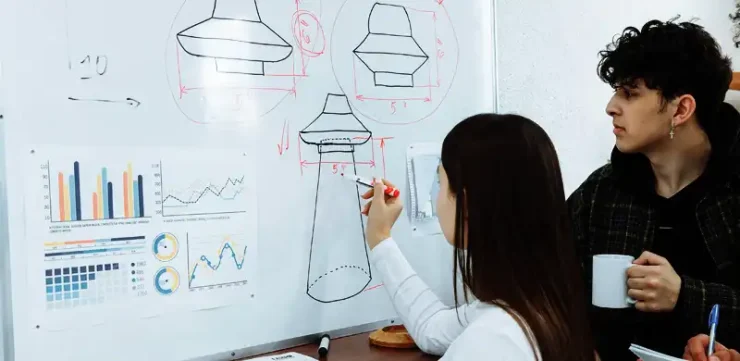
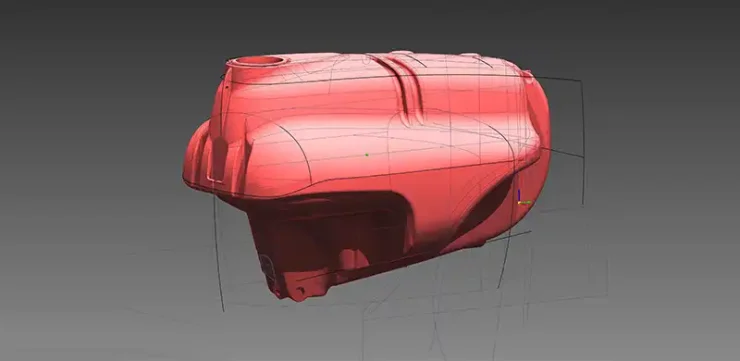
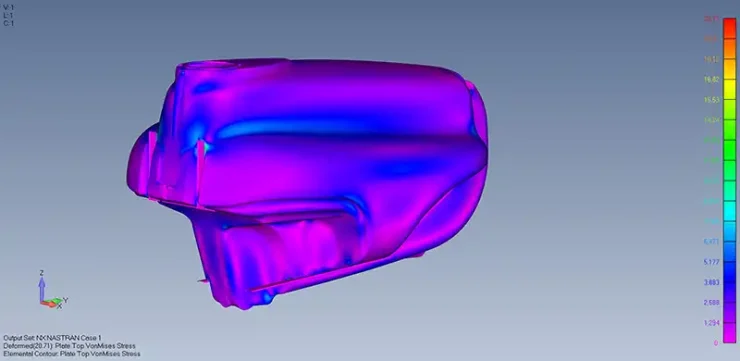
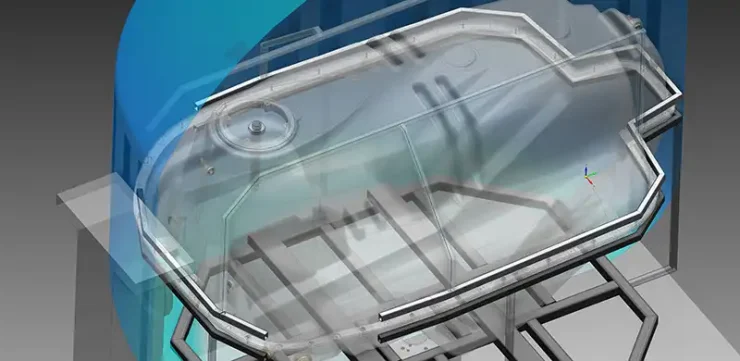
Inside production
When a component requires substantial volume, space for the mould and its fixtures matters from the supplier-selection stage. These photographs show our equipment, while the diagram provides a starting point for discussing project dimensions.
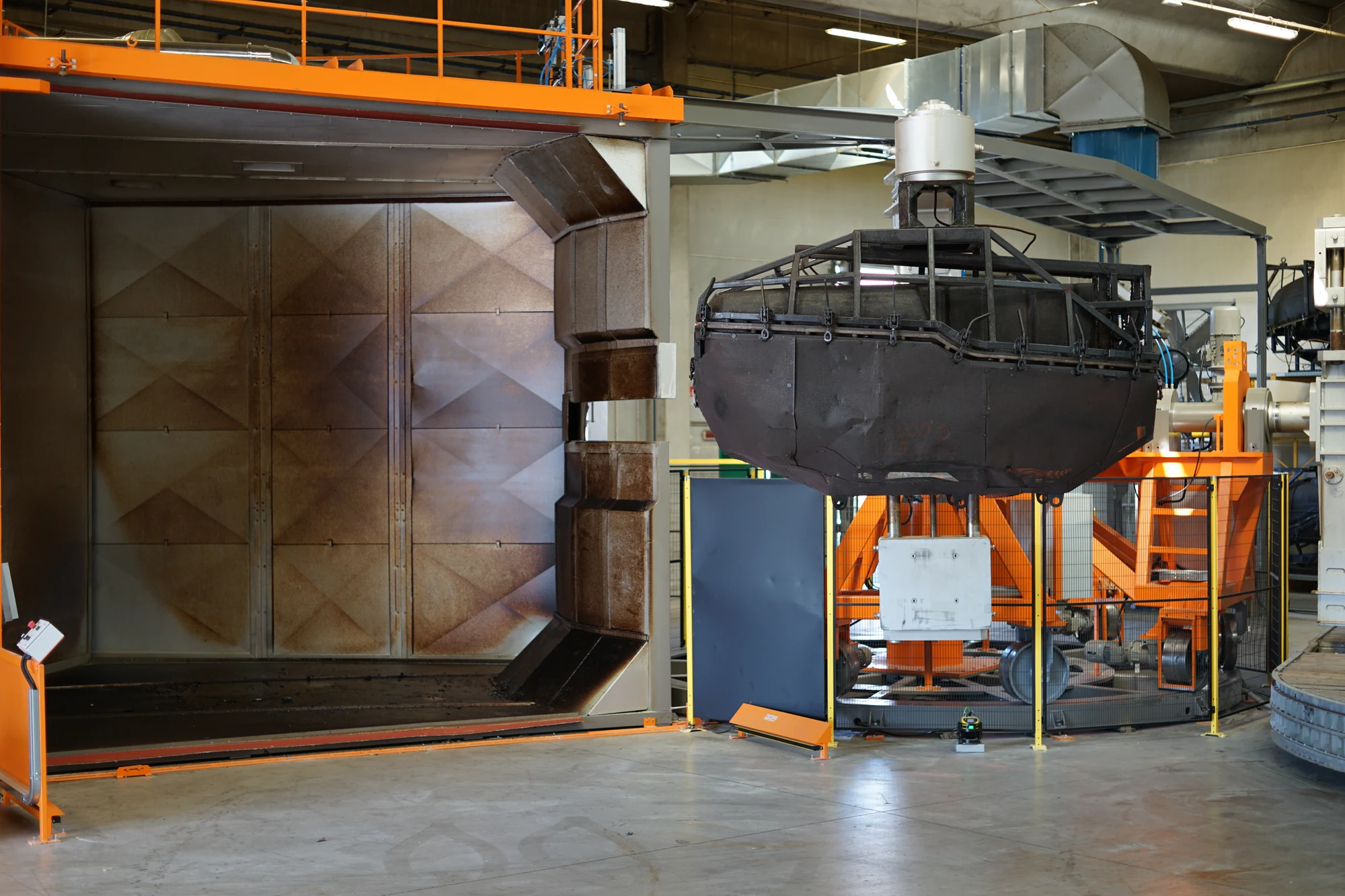
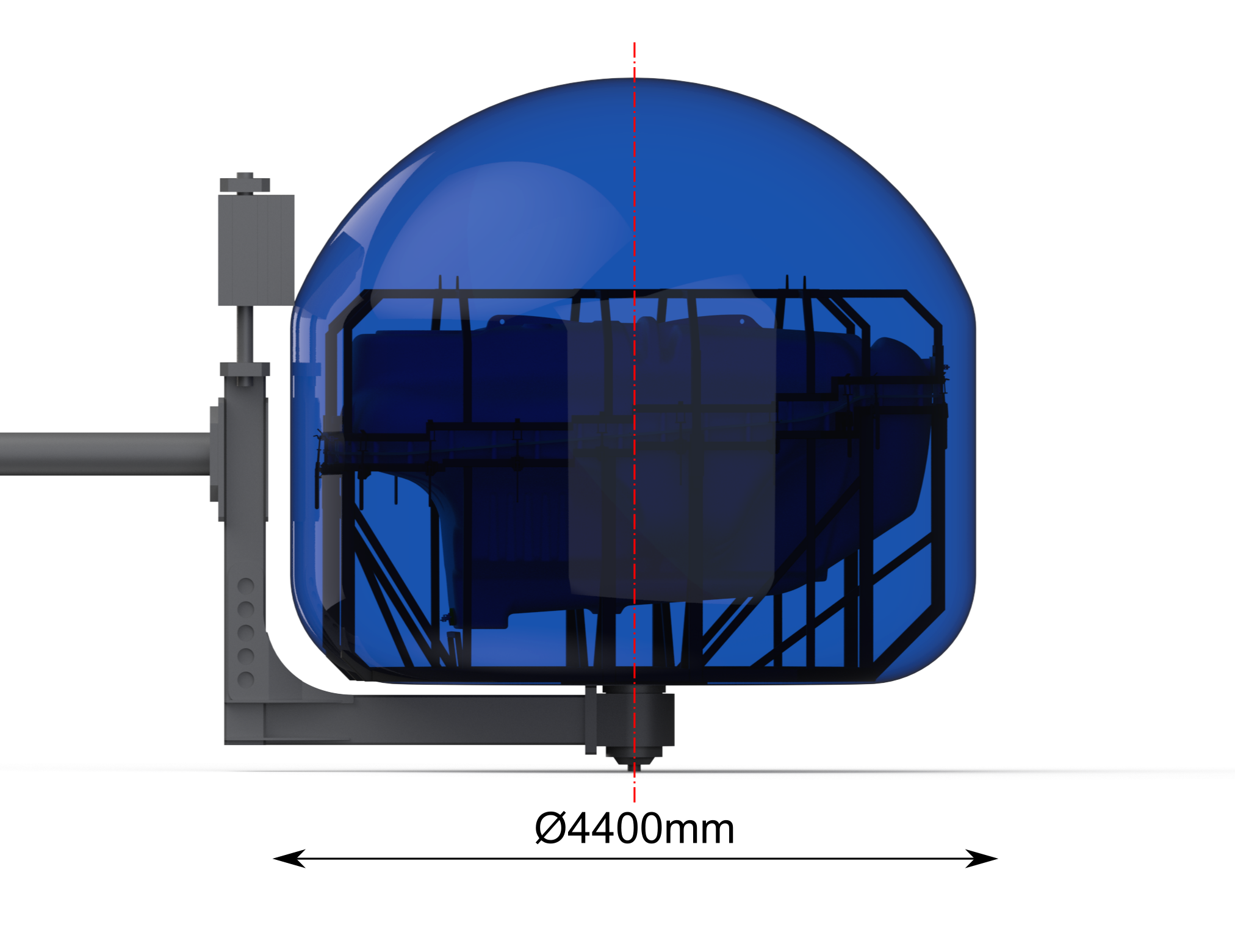
For manufacturers developing bulky components, this reference envelope helps identify a potential production partner and assess the project with our technical team.
The dimension refers to the envelope shown in the diagram, not a guaranteed finished-part size. Geometry, mould and fixtures must be assessed for each project.
Discuss your project with us ↗The key decision point
The initial information is kept separate: the availability of a mould changes the type of review required.
The first pathway starts with the tooling, the existing part and the objective of the potential transfer.
Open the existing-mould pathwayThe second pathway starts with the function, intended use and requirements before tooling is discussed.
Open the new-product pathwayPrepare for the discussion
The form distinguishes between the two pathways and collects the initial information. It does not replace a technical discussion.